
Originally Posted On: https://www.theboxery.com/blog/are-single-wall-corrugated-boxes-worth-it-for-items-under-65-pounds/
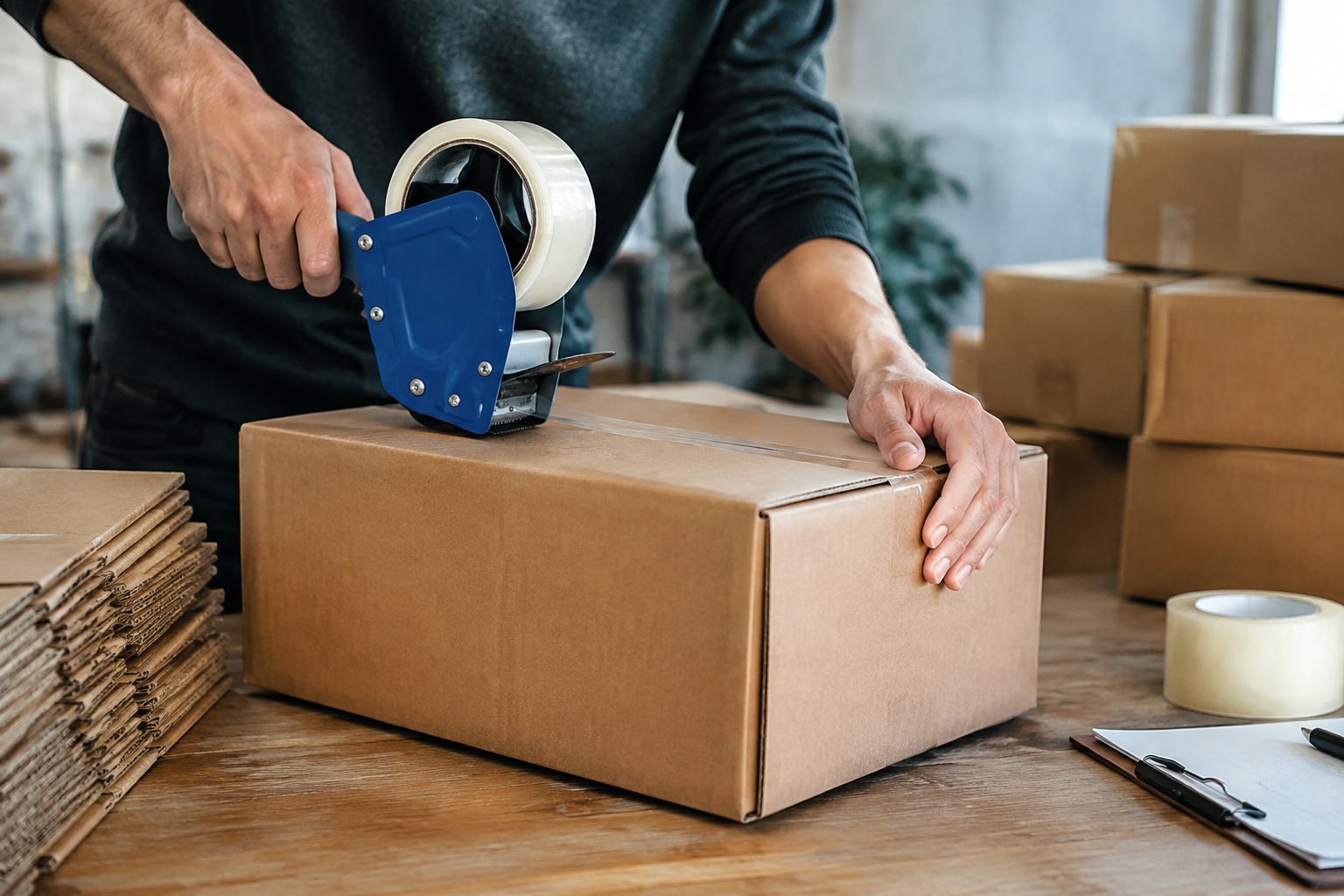
Quick Verdict: Which Single Wall Corrugated Boxes Are Best For
Yes, they’re worth it. The Boxery’s 32 ECT single-wall corrugated boxes handle most items up to 65 pounds, and the 1,000+ in-stock sizes mean you can match the box to the product instead of shipping air. For sellers moving 100-1,000 orders a month, that fit is where the savings come from.
Rating: 4.7/5
-
Best for: books, apparel, household goods, and mixed catalogs on Etsy, eBay, Shopify, and Amazon.
-
Skip them for: dense metal parts, long-haul freight, or anything near the 65-pound ceiling that’s also fragile.
-
Biggest win: right-sized boxes cut dimensional weight charges on every shipment.
-
Biggest limit: one layer of fluting won’t forgive rough handling on heavy loads.
Bottom line: Buy single wall from The Boxery as your default box, and step up to double wall only for heavy or fragile items.
A 5-pound candle shipped in a 20x20x20 box gets billed like a 24-pound package. That’s the kind of math that quietly eats a seller’s margin. Most sellers blame carrier rate hikes — the real culprit is often the box sitting on the packing table.
Corrugated boxes in single-wall construction are the default for a reason. They’re light, they stack flat — a 32 ECT rating handles most items up to about 65 pounds. But “default” doesn’t mean “right.” Plenty of Etsy, eBay, Shopify, and Amazon sellers shipping 100 to 1,000 orders a month overpay for strength they never use, or underbuy and watch damage claims climb.
So are they worth it? The honest answer depends on what’s inside the box, how far it travels, and how well the box fits the product. Get those three right and a basic single-wall carton beats almost everything else on cost per shipment.
Quick Verdict: Who Single Wall Corrugated Boxes Are Best For
A candle seller on Etsy ships 300 orders a month. Each jar weighs about 2 pounds, and she’s been paying for double-wall boxes she doesn’t need. She switches to a snug 8x8x8 single-wall carton, and the damage rate stays flat. That’s the typical story.
The verdict is simple. For most items under 65 pounds, single wall (32 ECT, roughly 200# test) is the right call. Standard corrugated boxes hold up to books, apparel, kitchen goods, and small electronics without the extra material.
Best fit:
-
Etsy, eBay, Shopify, and Amazon sellers moving 100-1,000 orders a month
-
Sellers shipping dense but compact goods, like books or hardware
-
Anyone fighting dimensional weight charges, since a tight fit beats a thick wall
-
Shops with limited storage, because single-wall stacks and stores easily
Here’s what most people miss. Bulk buying doesn’t require a pallet. Corrugated box discounts kick in at case quantities, so a small business can cut its per-carton spend without tying up cash.
Sellers with odd-shaped goods should look at a corrugated open top bin box for storage and sorting before orders go out.
Skip it if you’re shipping near the 65-pound limit, sending fragile items long distances, or handling sharp metal parts. Those jobs call for double wall. Everything else? Single wall wins.
Key Features of The Boxery’s 32 ECT Single Wall Corrugated Boxes
Strength isn’t the selling point here. Fit is. These kraft brown boxes are built from single-wall corrugated cardboard with a high share of recycled content, and they’re made for everyday shipping, not heavy industrial freight.
32 ECT Rating, 200# Test, and What the 65-Pound Limit Really Means
A 32 ECT rating means the board resists 32 pounds of edge pressure per inch. That’s roughly the same as a 200# Mullen burst test. Handy.
The 65-pound ceiling isn’t a promise that every load survives. It’s a ceiling for typical use. Dense items like books or metal parts concentrate weight on the bottom flaps, so tape them well. Anything near the limit that travels far should move to double-wall. Under 40 pounds, though, single wall handles most seller orders without trouble.
Size Range: 1,000+ Options, from 8x8x8 Cubes to Flat and Long Boxes
Over 1,000 sizes are in stock, running from 4x4x4 up past 48 inches. That matters because oversized cartons trigger dimensional weight fees. A snug box beats cheap void fill every time.
-
Cubes: 8x8x8 and 12x12x12 stack cleanly and suit symmetrical products.
-
Flat boxes: 12x12x4 and 18x18x6 fit prints, apparel, and shallow goods.
-
Long boxes: 36x6x6 and 48x4x4 cover awkward shapes.
Tall corrugated boxes handle bottles, vases, and similar upright items. For a seller shipping 100 to 1,000 orders a month, matching each product to one of these shapes is where the real savings show up.
Real-World Performance: Damage Rates, Dimensional Weight, and Shipping Speed
Do single-wall boxes actually hold up once a carrier starts tossing them around? For anything under 65 pounds, mostly yes. Here’s where the numbers land after years of watching packing lines.
Crush Resistance and Damage Rates on Books, Apparel, and Household Goods
A 32 ECT single-wall carton handles books, clothing, and kitchen goods without drama. Damage rates on those products usually sit under 1% when the box fits. The failures? Almost always an oversized carton with a loose product inside. Not the board. Fragile glass and ceramics need cushioning or double wall, and that’s where single wall stops being enough. Shoppers comparing Corrugated box sales should check the ECT stamp on the bottom flap before anything else.
How Right-Sized Boxes Cut Dimensional Weight Charges for 100-1,000 Orders a Month
Carriers bill the bigger of actual or dimensional weight. A 5-pound item in a 20x20x20 carton gets billed near 24 pounds. Ouch.
Say a seller ships 500 orders a month and trims each box by two inches per side. That can drop one billing tier on many parcels, and it adds up fast. Quality Corrugated box suppliers stock 8x8x8 cubes, flat sizes, and long cartons, so the fit is rarely a compromise.
-
Measure the product and add about an inch for padding.
-
Pick the nearest stock size instead of a custom run.
-
Use a flat mailer for books and apparel to shrink the footprint.
Value for Money, Pros and Cons
Roughly 90% of e-commerce parcels under 50 pounds ship in single-wall cartons, and for good reason. A 32 ECT box handles up to 65 pounds, which covers nearly everything a 100-1,000 order seller moves.
Pros: What Works for Etsy, eBay, Shopify, and Amazon Sellers
Single wall wins on price per shipment. Plain and simple. It’s also light, so you’re not paying carrier fees for extra cardboard weight.
-
Size variety: over 1,000 sizes means an 8x8x8 cube or a flat 12x12x4 fits the product, which cuts dimensional weight charges.
-
Storage: boxes ship flat and stack in a garage corner.
-
Recycled content: buyers notice, and it’s easy to recycle.
-
Small orders: case quantities beat buying single boxes at retail.
When volume climbs, wholesale corrugated boxes in mixed sizes let you test fits without committing to a pallet.
Cons: Where Single Wall Falls Short
It’s not for everything. Dense items like books by the dozen, metal parts, or glassware crush corners fast, and a 2-5% damage rate wipes out your margin.
-
Long-haul shipping means more handling and more drops.
-
Stacked freight can bulge or collapse the bottom layer.
-
Wet conditions soften it quickly.
For fragile or heavy loads, Heavy-duty corrugated boxes in double wall run 30-100% more per unit, but they’re cheaper than a refund plus a bad review.
Single Wall vs. Alternatives, Final Verdict, and Rating
Double wall isn’t automatically safer. That’s the myth, and it costs sellers money every week. For most parcels under 65 pounds, a 32 ECT single wall carton does the job, and the extra board only adds weight and a higher carrier bill. Standard strength corrugated boxes hold up fine until you hit dense loads or long-haul stacking.
Compared with Double Wall Boxes, Corrugated Mailers, and Poly Mailers
-
Double wall (44 ECT): Worth it for 65-80 pound loads, glass, or pallet stacking. Overkill for a candle or a sweater.
-
Corrugated mailers: Better for flat items like books and prints. They store flat and cut dimensional weight.
-
Poly mailers: Cheapest and lightest. Fine for soft goods, useless for anything that can crush or break.
So what’s the honest call?
Match the package to the product, not to your nerves. Good corrugated packaging starts with a size that fits, because a snug 8x8x8 beats a bloated 12x12x12 every time.
Final Rating and Who Should (and Shouldn’t) Buy
Rating: 9/10. The Boxery’s single wall line earns that score on 1,000+ in-stock sizes, same-day shipping on orders before 4pm EST, and case quantities small sellers can actually afford. It loses a point because you can’t touch the board before buying.
Buy if you ship 100-1,000 orders a month of general merchandise. Skip if you move dense metal parts or anything near 80 pounds. Go double wall there.
Pros and Cons
Here’s the short version after years of watching single-wall boxes go through pack lines and sortation belts. The 32 ECT box earns its spot for most small sellers, but it has a ceiling.
Pros
-
Right for most orders under 65 lbs. Books, apparel, candles, and household goods ride fine in 32 ECT (200# test) when the box fits the item.
-
Huge size selection. With 1,000+ sizes in stock, from 8x8x8 cubes to flat and long boxes, you can match the box to the product and skip the void fill.
-
Smaller box, smaller bill. A snug fit pulls down dimensional weight, which matters most at 100-1,000 orders a month.
-
Case quantities, not pallets. You can buy 25-100 at a time, so cash and garage space stay free.
-
Fast restocking. Orders in before 4 pm EST ship the same day from multiple U.S. warehouses.
-
Recyclable. It’s made with high recycled content, and customers can toss it in curbside recycling.
Cons
-
Not built for dense or stacked loads. Close to 65 lbs, or in long-haul freight, double wall is the safer bet.
-
Weak on its own for fragile goods. Glass and ceramics still need bubble wrap, foam, or paper inside.
-
Bulky to store. Boxes eat more shelf space than flat mailers or poly bags, which hurts home-based sellers.
-
Overkill for soft goods. A T-shirt in a box costs you more in weight and size than a poly mailer would.
-
Moisture is a problem. Standard kraft boxes soften when wet, so there’s no weather protection without extra wrap.
-
You can’t touch it first. Buying online means ordering a small case to test the fit before you commit to bigger volume.
Single-wall corrugated boxes earn their spot for most sellers shipping under 65 pounds. The 32 ECT rating handles books, apparel, and household goods without drama, and the savings show up fast once the box fits the product. A 1,000-plus size catalog matters here. Fit decides whether a seller pays for cardboard or for air.
Dimensional weight is where the math gets serious. A box an inch or two too big can push a 5-pound item into a higher billing tier on every order, month after month. For sellers moving 100 to 1,000 orders monthly, trimming that excess adds up quickly.
Single wall isn’t the answer for everything. Dense, fragile, or long-haul items belong in double wall, and soft goods often ride cheaper in mailers. But for the broad middle of marketplace shipping, these corrugated boxes from The Boxery are the strongest pick: wide sizing, same-day shipping before 4 pm EST, and case quantities that don’t demand a pallet.
Next step: measure the three best-selling products, add an inch of cushion per side, and order one case of the closest matching size to test damage and shipping rates.


