Key Takeaways
- Start with one portable restroom unit per 50 attendees for events under four hours, adjusting based on duration, alcohol service, and demographics
- Event factors like alcohol service increase restroom usage by 15-20%, while female-heavy attendance requires 30-40% more units
- ADA compliance mandates at least one accessible unit per 20 standard units or 5% of total capacity
- Luxury restroom trailers provide superior guest experience with climate control and upscale amenities for VIP events
- Strategic placement and professional consultation ensure optimal guest flow and satisfaction at outdoor venues
Planning restroom capacity for outdoor events requires careful calculation beyond simple headcounts. Weather conditions, event duration, and guest demographics all impact how many units event planners need to ensure comfortable experiences without long lines or inadequate facilities.
Calculate Restroom Needs: Start With One Unit Per 50 Attendees
The foundational guideline for outdoor event restroom planning begins with one portable toilet per 50 attendees for events lasting under four hours. This baseline provides adequate capacity for most standard gatherings, but serves only as the starting point for detailed planning.
For events lasting 4-8 hours, maintain the one unit per 50 guests ratio. For events exceeding eight hours, increase capacity to one unit per 40 attendees. This adjustment accounts for increased usage frequency as guests spend more time at the venue and consume more beverages throughout extended celebrations.
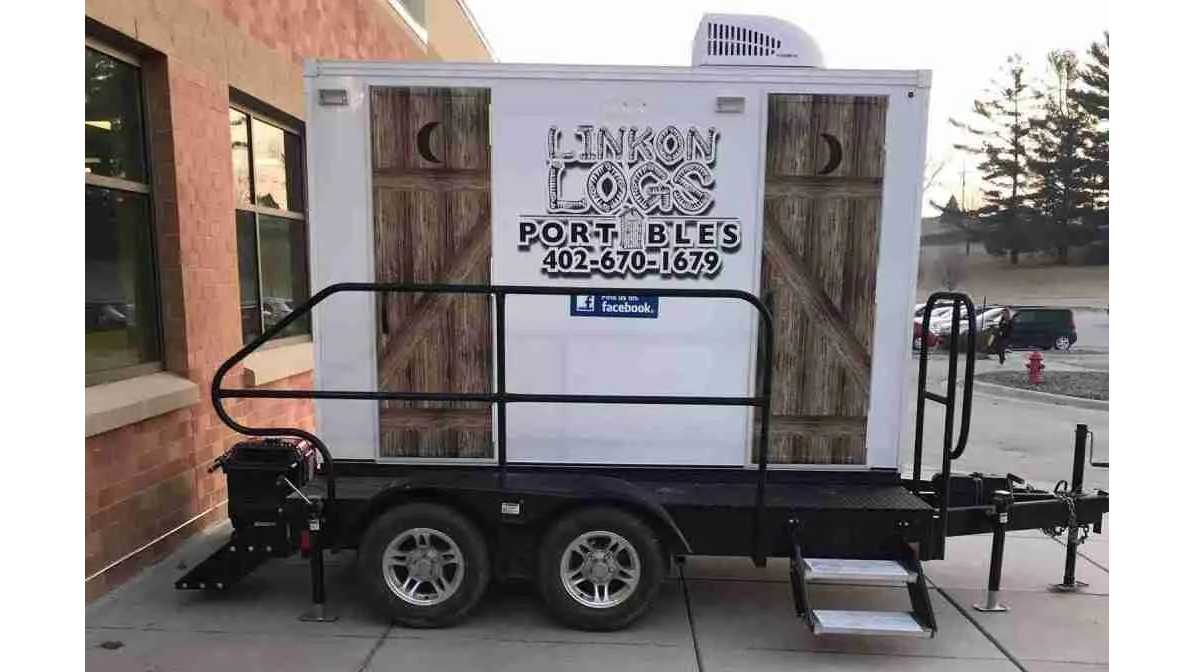
Professional event planners should view these ratios as minimum requirements rather than optimal standards. Linkon Logs Portables emphasizes that luxury restroom trailers offer superior comfort and capacity for events where guest experience takes priority over basic functionality.
Key Factors That Change Your Numbers
Multiple variables significantly impact restroom usage patterns, requiring adjustments to baseline calculations. Understanding these factors helps event planners avoid undersupply while optimizing budget allocation for sanitation needs.
1. Event Duration and Multi-Day Considerations
Event duration directly correlates with restroom frequency and capacity requirements. Single-day events under four hours maintain standard usage patterns, while extended celebrations require both additional units and more frequent servicing schedules.
Multi-day festivals and conferences demand substantial capacity increases. These events typically require one unit per 50-75 attendees, with adjustments for factors like alcohol service and demographics. Service frequency must increase to twice daily for multi-day events to maintain hygiene standards.
2. Alcohol Service Increases Usage by 15-20%
Alcohol consumption dramatically affects restroom usage patterns at outdoor events. Events serving beer, wine, or cocktails require 15-20% additional restroom capacity beyond baseline calculations to accommodate increased frequency of use.
Beer gardens and wine festivals experience even higher usage rates, sometimes requiring 25-30% capacity increases. Plan for peak usage periods during happy hours or featured beverage presentations when consumption rates spike significantly.
3. Gender Demographics Affect Capacity Planning
Events with predominantly female attendance require 30-40% additional restroom units compared to mixed-gender gatherings. Women typically spend more time in restroom facilities and often visit in groups, creating longer wait times and higher capacity demands.
Bridal showers, women’s conferences, and female-focused events benefit from luxury restroom trailers that provide spacious interiors and multiple stalls within single units. These facilities reduce wait times while offering comfortable spaces for group visits and extended stays.
4. Weather Impact on Restroom Frequency
Hot weather conditions significantly increase fluid consumption and subsequent restroom usage. Summer events in high temperatures may require additional capacity as guests drink more water, sports drinks, and cold beverages to stay hydrated.
Cold weather events present different challenges, as guests spend more time indoors seeking warmth. Heated luxury restroom trailers become necessary for winter events, providing climate-controlled environments that encourage proper usage rather than avoidance due to uncomfortable conditions.
ADA Compliance: Required Accessibility Standards
Federal accessibility requirements mandate that outdoor events provide ADA-compliant restroom facilities for guests with disabilities. The standard requires at least one accessible unit per 20 standard units, or minimum 5% of total restroom capacity, whichever provides greater accessibility.
ADA-compliant portable restrooms feature wider doors, interior space for wheelchair maneuvering, grab bars, and accessible sink heights. These units require level placement near main event areas with clear pathways from parking and entrance points.
Luxury restroom trailers often exceed ADA requirements by providing spacious accessible stalls within multi-unit facilities. These premium options offer superior accessibility while maintaining aesthetic consistency with upscale event atmospheres.
Strategic Placement and Site Distribution
Restroom placement significantly impacts guest satisfaction and facility utilization efficiency. Poor placement creates bottlenecks, long walks, and uneven usage that can overwhelm some units while others remain underutilized.
1. Even Distribution Across Large Venues
Large outdoor venues require multiple restroom clusters rather than single centralized locations. Distribute units strategically to minimize walking distances for guests, preventing long treks that discourage proper usage.
Position restroom clusters near high-traffic areas including main stages, food courts, and beverage stations. However, maintain sufficient distance to avoid odors affecting dining or entertainment experiences while keeping access convenient.
2. Accessibility and Traffic Flow Considerations
Place restroom facilities along natural traffic patterns rather than hidden corners or dead-end locations. Guests should easily locate facilities without extensive searching or asking for directions.
Ensure adequate lighting for evening events and clear signage directing guests to restroom locations. Consider traffic flow during peak usage times such as intermissions, meal breaks, or event transitions when large numbers of guests move simultaneously.
Luxury Restroom Trailers vs Standard Units
The choice between standard portable toilets and luxury restroom trailers depends on event type, guest expectations, and budget considerations. Each option serves different needs within the outdoor event market.
When to Choose Premium Options
Luxury restroom trailers excel at weddings, corporate events, VIP gatherings, and upscale celebrations where guest comfort directly impacts event success. These units feature climate control, flushing toilets, running water, spacious interiors, and elegant finishes including marble countertops and hardwood floors.
Premium trailers provide “like home” experiences that maintain event atmosphere and guest satisfaction. Features such as full vanities, mirrors, entertainment systems, and upscale lighting create comfortable environments that improve rather than detract from special occasions.
VIP Guidelines: Luxury Trailer Capacity Planning
VIP restroom capacity follows different ratios than standard portable facilities. High-end luxury trailers typically accommodate 15-20 VIP guests per station within the trailer, while standard luxury trailers can serve 100-150 guests total depending on the number of stations and expected usage patterns.
Corporate events with executive attendees, wedding parties, and private celebrations benefit from dedicated luxury facilities that provide privacy, comfort, and sophisticated aesthetics. These ratios ensure VIP guests never experience wait times or compromised comfort levels.
Partner With Local Omaha Experts for Seamless Event Planning
Professional consultation with experienced local providers ensures proper capacity planning, strategic placement, and seamless service execution. Omaha-area event planners benefit from working with companies that understand regional event requirements, weather patterns, and venue logistics.
Local expertise includes knowledge of permit requirements, service schedules, and emergency response capabilities that national companies may lack. Established relationships with venue managers, caterers, and other event professionals create coordinated service delivery that prevents common planning oversights.
Experienced providers offer site visits, capacity consultations, and placement recommendations based on venue-specific challenges and opportunities. This professional guidance helps event planners avoid costly mistakes while optimizing guest satisfaction through proper restroom planning and execution.
For restroom trailer rental services and expert event planning consultation in the Omaha metro area, visit Linkon Logs Portables to view luxury options that improve any outdoor celebration.
Linkon Logs Portables
21957 Hambsch Lane
Glenwood
Iowa
51534
United States