The Growing Interest In Self-Healing
Conversations surrounding holistic wellness, preventative care, and mind-body health have steadily been gaining traction in recent years. As more people explore meditation, nutrition, mindfulness, and lifestyle-based wellness approaches, many are asking an important question: Can the body heal itself?
While modern medicine plays a critical role in treating illness, injury, and emergency conditions, researchers and wellness professionals alike continue to study the body’s natural ability to repair, regenerate, and maintain balance. From wound healing and immune responses to stress regulation and recovery after illness, the human body constantly performs complex processes designed to support survival and restoration.
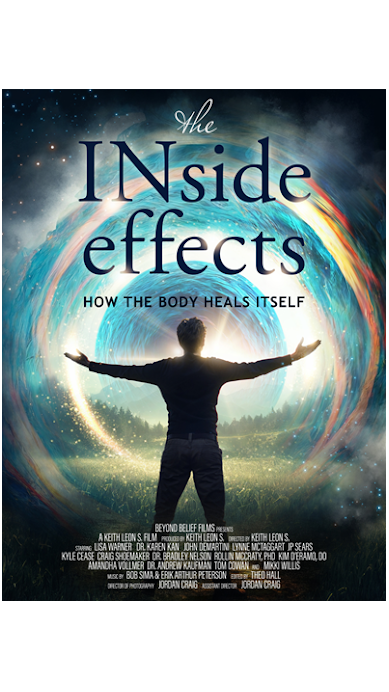
This growing interest in self-healing is also reflected in award-winning documentaries, educational programs, and wellness discussions exploring how physical, emotional, and environmental factors influence long-term health.
The Body Is Constantly Working To Restore Balance
The idea that the body can heal itself is not simply philosophical. Many normal biological functions already demonstrate this process every day. When someone cuts their skin, the body immediately begins repairing damaged tissue. Blood clotting starts within minutes, inflammation helps protect the area, and new cells gradually rebuild the skin. Broken bones regenerate over time, infections trigger immune responses, and muscles adapt and recover after physical strain.
According to researchers in integrative and functional medicine, the body is continuously attempting to maintain what scientists call homeostasis — a stable internal environment that supports healthy function. Dr. William Li, physician and author of Eat To Beat Disease, has written extensively about the body’s built-in defense systems, including regeneration, immune protection, and microbiome health. He explains that many natural systems already work to defend and repair the body when they are properly supported.
Lifestyle Habits Often Influence Recovery
Although the body possesses natural healing mechanisms, lifestyle habits can either support or interfere with those systems. Poor sleep, chronic stress, processed diets, inactivity, and long-term inflammation may place additional strain on the body’s regulatory systems. On the other hand, supportive daily habits may help improve recovery, energy levels, immune function, and emotional resilience.
Many wellness practitioners emphasize several foundational areas that influence overall health:
Sleep And Recovery
Sleep is one of the body’s most important restoration periods. During deep sleep cycles, hormone regulation, tissue repair, memory processing, and immune activity all increase. Research published by the National Institutes of Health has shown that insufficient sleep may negatively affect immune function, metabolism, mood, and cardiovascular health.
Nutrition And Inflammation
Food provides the nutrients required for cellular repair, immune defense, and energy production. Diets rich in vegetables, fruits, healthy fats, fiber, and nutrient-dense foods are frequently associated with lower inflammation levels and improved long-term health outcomes. Some integrative wellness approaches also examine how highly processed foods, excessive sugar intake, and chronic nutritional deficiencies may contribute to fatigue, inflammation, and reduced resilience.
Stress Management
Chronic stress may affect both physical and emotional well-being. Elevated stress hormones over long periods can influence sleep quality, digestion, inflammation, and immune activity. Practices such as meditation, breathing exercises, mindfulness, prayer, journaling, and time in nature are increasingly being explored as tools for stress reduction and emotional regulation.
The American Psychological Association has noted that chronic stress can contribute to multiple health concerns, including anxiety, cardiovascular strain, and sleep disruption.
Mind-Body Wellness Gains Attention
The connection between emotional health and physical health has become an important area of study within both medical and wellness communities. Researchers have examined how loneliness, unresolved trauma, anxiety, chronic stress, and emotional exhaustion may influence physical symptoms and recovery patterns. While emotional wellness alone is not a replacement for medical care, many experts acknowledge that mental and emotional states can influence overall well-being. This broader discussion has contributed to increased interest in meditation, mindfulness practices, breathwork, and holistic wellness approaches designed to support both mind and body.
Documentary films and wellness-focused educational programs have also explored how personal awareness, stress reduction, and lifestyle changes may help individuals take a more active role in their long-term health.
Self-Healing Does Not Mean Avoiding Medical Care
Supporters of self-healing approaches often emphasize that natural wellness practices are not intended to replace qualified medical treatment when necessary. Instead, many advocates describe self-healing as supporting the body’s natural systems alongside appropriate healthcare, healthy habits, and preventative practices. For example, someone recovering from surgery may still rely on the body’s natural tissue repair systems during recovery. A person managing stress-related fatigue may benefit from both professional guidance and lifestyle adjustments involving sleep, nutrition, movement, and stress management. This balanced perspective has become more common as people seek proactive approaches to health rather than focusing only on symptom management.
Healing For The Future
Public interest in wellness education is growing as more individuals search for practical ways to improve physical and emotional well-being – and that trend shows no sign of stopping. Conversations surrounding integrative health, preventative care, and holistic wellness have become more visible through books, documentaries, podcasts, and online educational platforms. Many people are increasingly interested in understanding how daily habits, emotional health, stress levels, and environmental factors influence long-term wellness.
While opinions differ regarding certain alternative therapies, there is broad agreement that sleep quality, nutrition, movement, stress management, and social connection all play meaningful roles in overall health. The question may not simply be whether the body can heal itself, but how individuals can better support the natural systems already working to protect, restore, and regulate the body every day.
Note: This article does not constitute medical advice. Consulting with a medical professional before commencing any new diet, exercise, supplementation or changing medication is strongly advised.
Divine Spirit Network
Info@divinespiritnetwork.com
+1 323 238 4653
9100 Wilshire Blvd
Ste.333-66
Los Angeles
CA
90212
United States