
AC contractors in Pensacola, FL, discuss AC replacement, including signs it’s needed and its benefits.
Pensacola, United States – June 30, 2026 / Boutwell’s Air Masters /
Important AC Replacement Basics to Know
Replacing an air conditioner is one of the most significant home comfort decisions a homeowner will face, and making that decision with confidence requires knowing what to look for, what to expect, and what options are available. The conversation around AC replacement touches on everything from rising energy bills and repair frequency to the type of system that will serve a home best in the years ahead. Understanding the full picture from warning signs to system selection gives homeowners the knowledge to move forward with a trusted HVAC contractor and a plan that fits both the home and the budget.
Signs to Replace an Air Conditioner
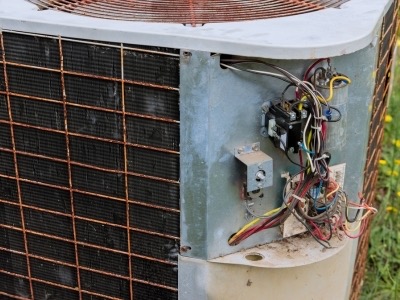 An air conditioner that has been running for more than ten years is already approaching the end of its expected service life, and the signs of that age tend to show up gradually before they become impossible to ignore. A system that is slowing down, struggling to reach the thermostat setting on warm days, or cycling on and off more frequently than usual is telling a story about internal wear that no repair can fully reverse. When those performance issues coincide with a unit that is already a decade old, the case for AC replacement becomes difficult to argue against.
Energy bills that have climbed steadily over recent cooling seasons are another clear indicator that the current system is losing efficiency, drawing more electricity than it once did to produce the same amount of cooling. An old and inefficient AC unit operates at a fraction of its original SEER rating as components degrade, and that gap between rated efficiency and actual performance is reflected directly in monthly utility costs. A spike in energy bills that cannot be explained by rate increases or unusual weather is one of the most reliable signals that the equipment itself has declined.
Frequent repairs are another major warning sign, and they carry a financial message that is worth taking seriously before scheduling yet another service call. When the cost of keeping an aging unit running adds up to more than a significant portion of what a new system would cost, the math begins to favor replacement over continued maintenance. A licensed HVAC professional can help evaluate whether the money being spent on repairs is protecting a system worth saving or simply delaying an AC replacement that has already become inevitable.
Advantages of Replacing an Old AC Unit
A new air conditioner installation brings a level of energy efficiency that older systems simply cannot match, with modern units designed to deliver maximum cooling output at a fraction of the electricity consumption that aging equipment requires. Today’s high-efficiency air conditioners carry SEER2 ratings that translate directly into lower cooling costs across the entire cooling season, with savings that grow more meaningful as summer temperatures rise. The difference between running a ten-year-old system and a newly installed energy-efficient unit can be felt in both indoor comfort and monthly utility statements.
Beyond the energy savings, a new system dramatically reduces the cycle of repair costs that tends to accelerate as equipment ages, since new components under a manufacturer’s warranty are far less likely to fail than parts in a system already showing signs of wear. Enhanced comfort is another benefit that new homeowners often underestimate until they experience it firsthand, as modern air conditioners distribute conditioned air more evenly, maintain more consistent temperatures, and often include features like variable-speed motors that keep indoor conditions steady rather than swinging between extremes. Quieter operation, better humidity control, and improved indoor air quality round out a list of advantages that make new AC installation an investment in daily living.
The AC replacement process also opens the door to resizing the system if the current unit was never properly matched to the home’s square footage and layout. An air conditioner that is too large short-cycles and leaves rooms humid, while one that is too small runs constantly without reaching the set temperature, and both scenarios drive up operating costs while shortening equipment life. A professional load calculation performed during the replacement process ensures the new system is sized correctly, setting the stage for years of efficient, trouble-free cooling.
Choosing a Type of AC System
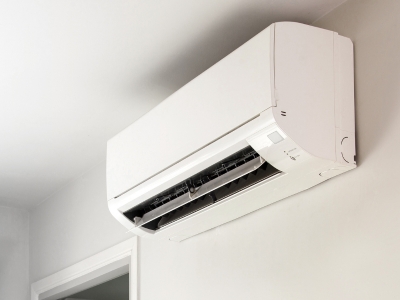 When the time comes to replace or install an air conditioner, the choice will most often come down to two primary system types: a ductless mini-split system and a central AC system, each of which carries a distinct set of trade-offs that make it better suited for certain homes and situations. Central air conditioning systems are typically the more familiar of the two, and for homes that already have existing ductwork in place, the installation cost tends to be lower since the infrastructure is already there. Central systems also offer a cleaner aesthetic, with vents tucked into ceilings and walls and no visible indoor units mounted on the walls of living spaces.
The operating costs of central AC, however, tend to run higher than those of ductless systems, particularly in older homes where duct leakage allows conditioned air to escape before it reaches the intended rooms. Mini-split systems sidestep that problem entirely since they require no ducts at all, delivering conditioned air directly to each room or zone through a compact indoor air handler connected to an outdoor compressor. That direct delivery approach makes mini-splits significantly more energy efficient, which translates into lower energy bills over time and a smaller environmental footprint compared to a central system losing efficiency to leaky ducts.
Mini-split systems also offer room-by-room temperature control, allowing different areas of the home to be set to different temperatures based on occupancy and preference, a level of flexibility that central systems typically cannot match without significant zoning upgrades. The trade-off is upfront installation cost, as ductless mini-split installation generally requires a larger initial investment than a central AC system in a home that already has ducts. A qualified HVAC contractor can walk through both options in the context of the specific home, helping identify which system type aligns best with the home’s layout, existing infrastructure, energy goals, and budget before any decision is made.
Call Boutwell’s Air Masters
Boutwell’s Air Masters is a reliable HVAC solutions company serving Pensacola, FL, and the neighboring areas. They offer transparent pricing, accurate solutions, and total peace of mind. Call them today for air conditioning replacement and installation services in Pensacola, FL.


Contact Information:
Boutwell’s Air Masters
204 E Olive Rd
Pensacola, FL 32514
United States
John Boutwell
(850) 969-9711
https://www.boutwellsair.com


