
Omaha, NE – November 11, 2026 – PRESSADVANTAGE –
Shadow Lake Collision is publishing consumer guidance explaining how communication with an insurance company can fit into the collision repair process. The November guidance focuses on four common stages where communication may occur: the initial estimate, repair-plan updates, supplemental damage documentation, and authorization of insurance-related changes.
After a collision, drivers may be communicating with both a repair facility and an insurance company. These parties have different roles. The repair facility evaluates the vehicle and develops a repair plan based on the damage identified, while the insurer reviews the claim according to the applicable policy and claims process.
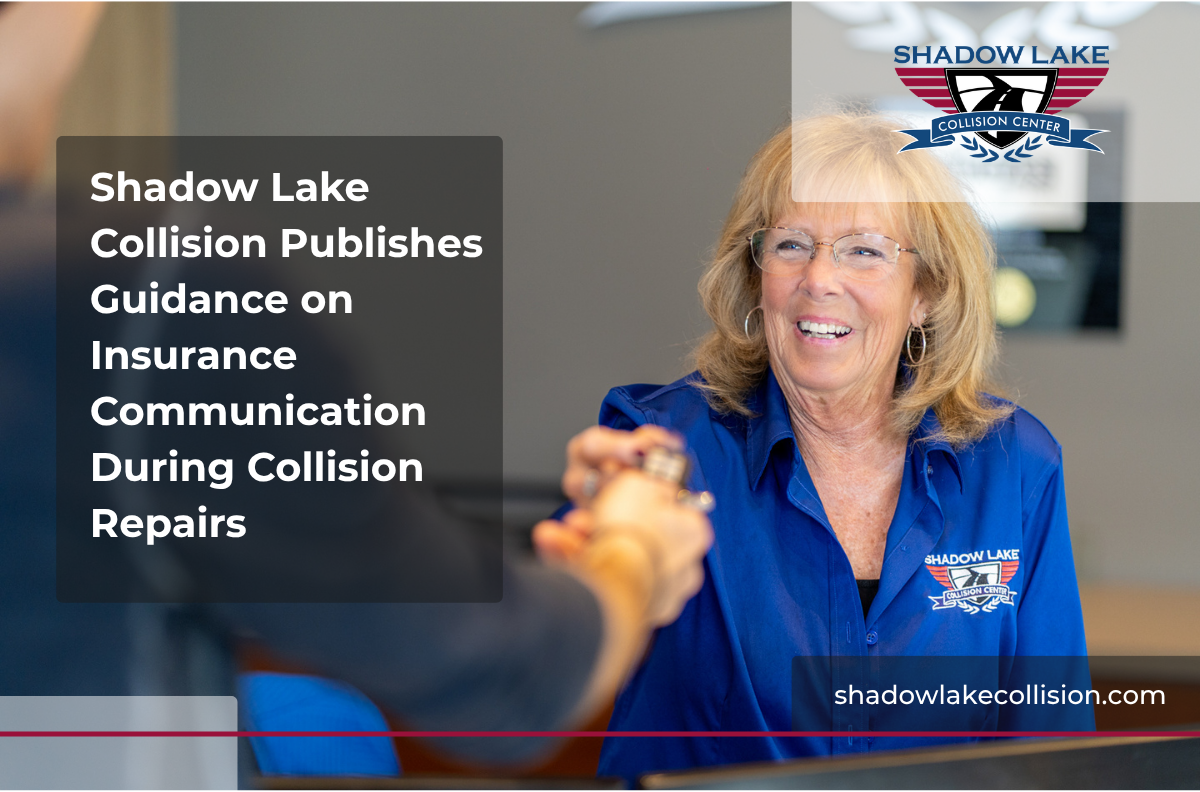
Shadow Lake Collision’s collision repair services include evaluating accident damage and documenting the work identified during repair planning.
The initial estimate is often one of the first points where repair and insurance information intersect. An estimate reflects the damage that can be identified at that stage, but some affected areas may not be fully accessible until damaged components are removed.
When additional collision damage is identified during the repair process, the repair plan may need to be updated. This type of change is commonly documented through a supplement rather than treating the original estimate as a final description of every operation that could become necessary.
The November guidance explains that a supplement does not automatically indicate that the original estimate was incorrect. In some cases, exterior components can limit access to adjoining or underlying areas during the initial inspection.
Documentation can therefore become an important part of communication. Photos, repair-plan revisions, parts information, and other records associated with newly identified damage can help explain why the scope has changed.
Through auto body repair, the repair facility can document relevant findings and communicate repair information as the vehicle moves through the process. The insurer can then review submitted information according to its claim procedures.
The guidance also distinguishes repair decisions from insurance coverage decisions. Technicians determine what repair operations are appropriate based on the vehicle, identified damage, and applicable repair information. Insurance coverage, deductibles, and payment decisions are handled under the driver’s individual policy and claim.
This distinction can help vehicle owners understand why the repair facility and insurance company may communicate during a claim without performing the same role.
Drivers can also remain involved throughout the process. When the repair plan changes, vehicle owners can ask what additional damage was identified, why the work was added, whether the insurer has received the updated documentation, and whether the change affects the expected repair timeline.
Parts can create another point of communication. If the repair plan changes after additional damage is identified, newly required parts may need to be documented, reviewed, and ordered. Availability can then affect scheduling independently of the insurance review itself.
The November publication is intended to give Omaha drivers a clearer picture of the communication flow during an insurance-related collision repair. The process can involve information moving among the vehicle owner, repair facility, and insurer as damage is evaluated and the repair plan develops.
For drivers who need to discuss accident damage or the repair process, Shadow Lake Collision provides a contact resource.
The central takeaway is that insurance communication during collision repair is primarily about keeping the claim documentation aligned with the damage and repair operations identified on the vehicle. An initial estimate provides a starting point, while supplements and supporting documentation can account for relevant findings discovered as repair planning progresses.
Shadow Lake Collision provides auto body and collision repair services at 4040 S 84th St, Omaha, NE 68127.
###
For more information about Shadow Lake Collision – Omaha, contact the company here:
Shadow Lake Collision – Omaha
Eric Dawson
(402) 915-8400
info@shadowlakecollision.com
4040 S 84th St, Omaha, NE 68127


